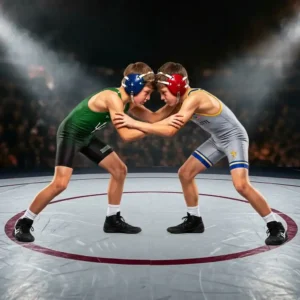
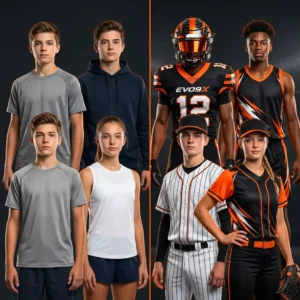
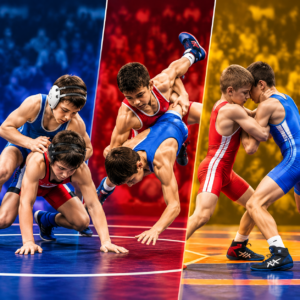
To wrestle in the United States, you need a wrestling singlet, wrestling shoes, and headgear for most folkstyle competition. Everything else (knee pads, a mouthguard, compression gear, warm-ups, a gear bag) is either situational or just makes life easier. For practice, many programs let you start in athletic shorts and a fitted shirt, then add the competition gear once you commit to the season.
That’s the short version. The longer version matters because wrestling gear is one of those things where a small mistake (a loose singlet, shoes with the wrong sole, headgear that doesn’t pass inspection) can cost you comfort, safety, or even a match. This guide walks through every piece, what the rules usually require, and how to buy without wasting money. If you’re still sorting out the styles themselves, start with our breakdown of folkstyle, freestyle, and Greco-Roman wrestling and come back here.
A quick note on rules: NFHS (high school), NCAA (college), USA Wrestling, and UWW (international) each publish their own requirements, and state associations and local leagues add their own. Treat this guide as a map and confirm the details with your coach or the current rulebook before you buy competition gear.
What Gear Do You Need to Start Wrestling?
Most beginners need three things to start: wrestling shoes, a singlet (or whatever practice outfit the team requires), and headgear. Some wrestlers, such as those with braces, need a mouthguard, and knee pads are optional.
Here’s a simple way to think about it. Some gear is required, some is strongly recommended, and some is nice to have.
| Item | Required? | Used for |
| Wrestling shoes | Yes, for practice and matches | Grip and mat feel |
| Singlet | Yes, for competition | Legal competition uniform |
| Headgear | Yes, in most youth and high school folkstyle events | Ear and head protection |
| Mouthguard | Required in many leagues for wrestlers with braces | Teeth and jaw protection |
| Knee pads | Optional | Protects knees on the mat |
| Compression gear | Optional | Layering, comfort, mobility |
| Warm-ups | Optional but practical | Staying loose between matches |
| Gear bag | Optional but practical | Keeping everything together |
Don’t buy everything at once. Ask your coach what the team provides and what each wrestler brings. Many clubs and school programs provide headgear or practice shirts, and some run gear swaps for kids who grow fast.
What Is on a Complete Beginner Wrestling Gear Checklist?
Before your first practice, you need wrestling shoes and whatever practice outfit your coach requires. Before your first tournament, add a singlet, headgear, and a mouthguard if your league requires one. Everything else can wait.
Before your first practice:
- Wrestling shoes
- Athletic shorts (no zippers or pockets) and a fitted, moisture-wicking shirt
- Water bottle and a small towel
- Gear bag with a separate pocket for dirty clothes
Before your first tournament:
- Singlet that meets your league’s rules
- Headgear in good condition
- Mouthguard, if required
- Warm-up jacket and pants
- Spare laces, extra socks, and a change of clothes
Add later, only if you need it:
- Knee pads
- Compression gear
- A second singlet or practice set
Ask your coach what the team supplies before you buy anything. Many programs lend headgear or run gear swaps.
What Should You Wear to Wrestling Practice?
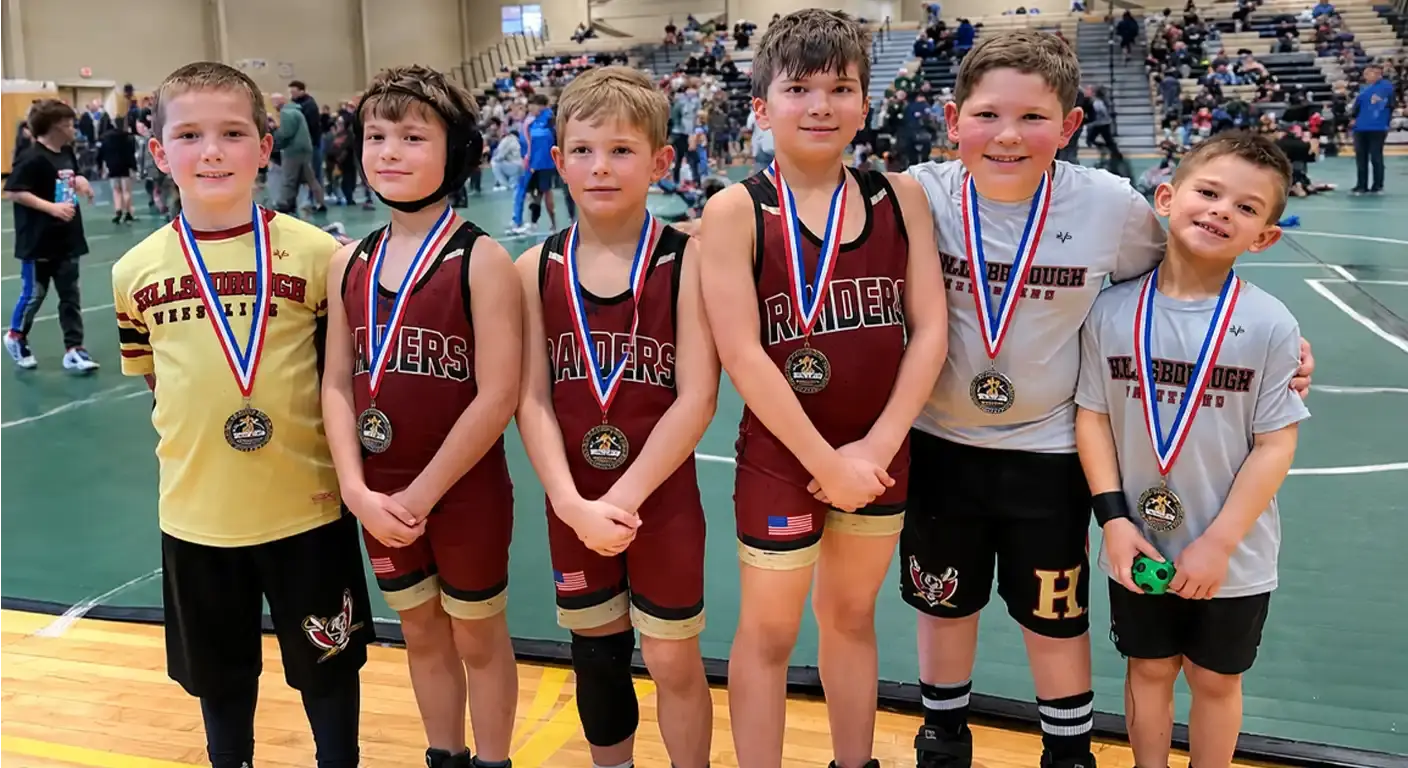
For most practices, wear athletic shorts without zippers or pockets, a snug moisture-wicking shirt, and wrestling shoes. Avoid anything with hard buckles, metal, or loose strings that could catch on a teammate.
Practice clothing has one job: let you move freely without creating a hazard. A few ground rules most coaches share:
- No zippers, hard buttons, or metal. They can scratch or cut a training partner.
- Fitted beats baggy. Loose clothing gets grabbed, stretched, and tangled in a scramble.
- Wear something you can sweat through. A wrestling room is warm, and cotton gets heavy and stays wet.
- Keep it clean. Wash practice gear after every session. More on that below.
Some programs have a “practice uniform,” like team shorts and a tee, so check before buying.
What Is a Wrestling Singlet?
A wrestling singlet is the one-piece, close-fitting uniform wrestlers wear in competition. It stays in place during a match and gives opponents nothing loose to grab.
Most singlets are a polyester-and-spandex blend, and team singlets are often sublimated so the print holds up to constant stretching and washing (we compare sublimation vs. screen printing for team uniforms. For sizing, fit, and the different singlet types, see our full wrestling singlet guide. Rules on color and logos vary by league, so confirm before you order.
What Are the Best Wrestling Shoes, and What Should You Look For?
The best wrestling shoe is a lightweight, flexible, high-traction shoe with a thin sole and a snug ankle fit. It should feel like an extension of your foot, not like a sneaker.
Wrestling shoes are different from running or training shoes, and that difference is the point. Here is what to check:
- Thin, flexible sole. You want to feel the mat. A thick cushioned sole makes your footwork sloppy.
- Grip. Look for a sole pattern built for mat traction, not a court shoe.
- Ankle support without stiffness. Most wrestling shoes sit at or above the ankle bone so they stay put during scrambles.
- Secure closure. Laces plus a strap or lace cover keep your shoes from coming undone mid-match, which is annoying and can sometimes be a penalty, depending on the rules.
- Snug fit. Heel slip wastes energy and causes blisters. Try shoes on with the socks you’ll actually wear.
Low-cut, mid-cut, or high-cut? This is the choice most beginners miss.
- Low-cut shoes are the lightest and give you the most freedom at the ankle. They suit quick, active wrestlers who shoot a lot, but they offer the least support.
- Mid-cut shoes are the safest all-around pick for a first pair. They add some ankle support without feeling restrictive.
- High-cut shoes give the most support and are worth considering if you’ve rolled an ankle before. They can feel stiffer, so try them on and move around.
Your weight class doesn’t decide the cut. Fit, comfort, and how your ankles hold up should.
Kids grow quickly, so for a first-year youth wrestler, a solid midrange shoe usually makes more sense than the most expensive model. If you’re a returning wrestler with a lot of mat time, it’s worth paying for a shoe that holds up.
Ready to Outfit Your Team?
Have an idea for your team’s colors, logo, names, and numbers? EVO9X can turn those ideas into custom wrestling uniforms and team gear, with a free design mockup before production.
Do Wrestlers Have to Wear Headgear?
In most U.S. folkstyle competition, including high school and many youth events, yes. Headgear protects the ears from repeated friction and impact, and it’s required under many rule sets. International freestyle and Greco-Roman rules are different, so check the event.
Headgear does two things. It covers the ears so they don’t take constant rubbing and blows, which is how many wrestlers end up with cauliflower ear. It also gives a little protection against bumps to the head.
When you shop for headgear, look for:
- A secure strap system that stays tight without squeezing your head
- Padding that covers the full ear with no gaps
- Enough hearing that you can still hear your coach (some models are designed for this)
- Sturdy hardware that won’t snap or scratch an opponent
- The right size, especially for youth wrestlers
Replace headgear when the straps stretch out, the padding collapses, or hardware gets damaged. Officials can also ask a wrestler to fix or remove headgear that isn’t safe.
Which Optional Wrestling Gear Is Worth Buying?
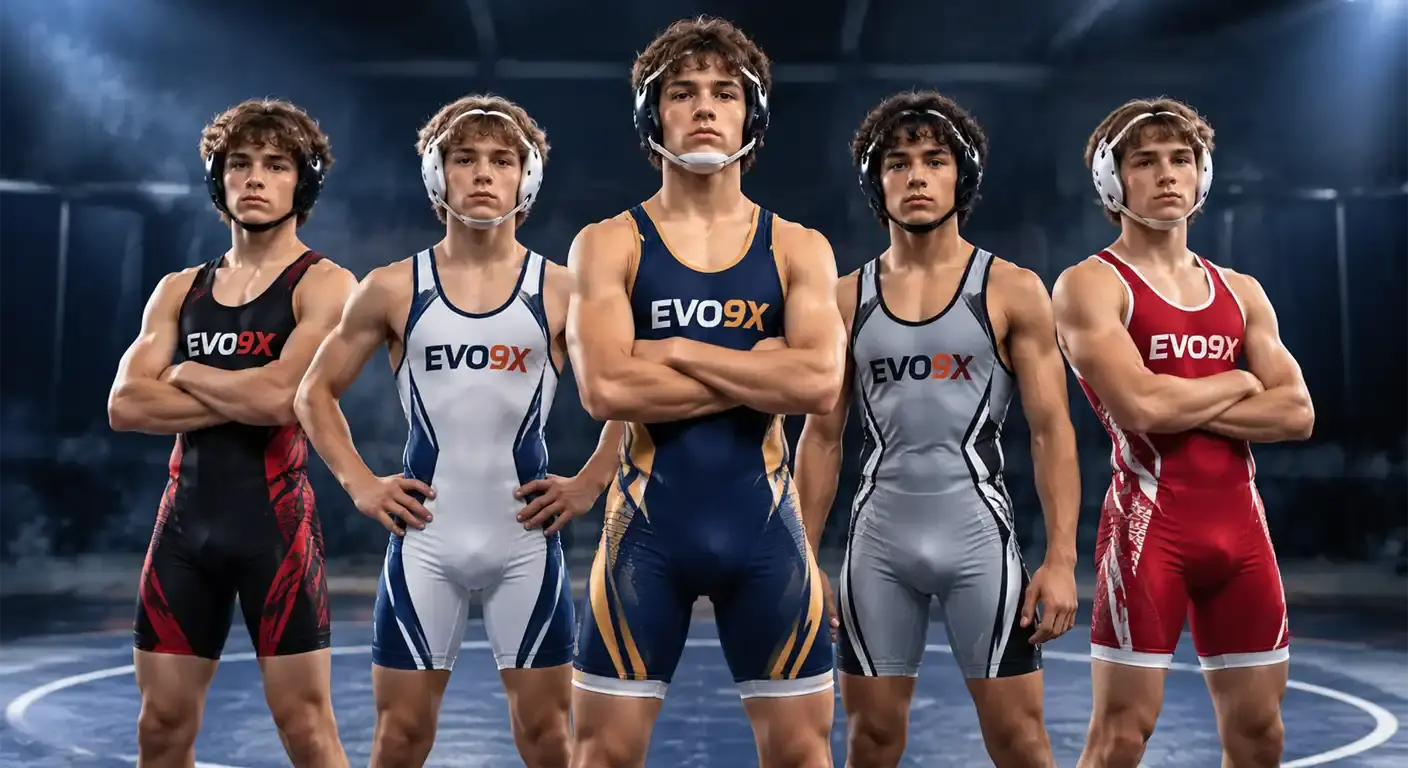
The most useful extras are knee pads for wrestlers who get mat burn or sore knees, a mouthguard if your league requires one, compression gear for layering, and a good gear bag. Beyond that, buy only what solves a problem you actually have.
Knee pads. Helpful for wrestlers who spend time on their knees and get sore or scraped. Make sure they stay in place and don’t have hard edges.
Mouthguard. Many leagues require a mouthguard for wrestlers with braces or other dental appliances, and plenty of coaches recommend one for everyone. A properly fitted guard is more comfortable and stays in better than a loose one.
Compression gear. Compression shirts and shorts are popular for practice and for layering under a singlet where rules allow it. They help with chafing and keep muscles warm, but they’re optional.
Hair control. Wrestlers with longer hair usually need it secured under the rules for their league, often with a hair cover or tightly tied hair under headgear. Check with your coach.
Warm-ups. Jackets and pants help you stay loose between matches, especially at all-day tournaments in cold gyms.
Gear bag. A bag with ventilation keeps sweaty gear from turning into a science project. A separate pocket for dirty gear is worth having.
What Do Girls and Women Wrestlers Need to Know About Gear?
Girls and women wrestle in the same core gear as boys and men: singlet, shoes, and headgear. The differences are mostly in cut and fit, since many brands now make singlets and compression wear designed for women’s bodies.
Girls’ wrestling has grown fast in the U.S., and gear options have improved with it. A few practical points:
- Fit matters even more. A singlet that gaps or rides up is a constant distraction. Look for women’s cuts and use the size chart carefully.
- Layering is common. Many girls wear a fitted compression top or sports bra under the singlet where rules allow it.
- Hair needs a plan. Braids, a secure tie, and headgear that fits over them are standard. Practice with your setup before match day.
- Rules still apply. Check the requirements for your league or state association before buying competition apparel.
How Should Wrestling Gear Fit?
Wrestling gear should fit close to the body without restricting movement. If you can’t shoot, sprawl, or breathe fully, it’s too tight. If an opponent could grab loose fabric, it’s too loose.
Do a quick check before you buy: squat deeply, reach overhead, and drop into your stance. Nothing should ride up, dig in, or bunch. For shoes, test with your usual socks. For headgear, it should be snug without pressing hard on your head. Detailed singlet sizing is in our wrestling singlet guide.
How Do You Clean and Care for Wrestling Gear?
Wash your singlet, shirt, and shorts after every practice or match, air-dry shoes and headgear, and never leave sweaty gear sealed in a bag.
Wrestling involves a lot of skin contact, and skin infections like ringworm can spread in wrestling rooms, so clean gear matters. Use cold or warm water, skip fabric softener, and let everything dry fully. If you notice a suspicious skin spot, talk to your athletic trainer or doctor.
How Do You Know When to Replace Wrestling Gear?
Replace gear when it stops doing its job: shoes with smooth soles or weak ankle hold, a singlet that has lost its stretch or thinned out, and headgear whose straps or padding no longer stay in place during live wrestling.
Don’t upgrade everything at once. Look at where the problem shows up first:
- Shoes: Worn soles mean less grip, and a stretched upper means your foot slides. Both hurt your footwork and raise injury risk.
- Singlet: Thin fabric at the seat, a sagging fit, or seams that are coming apart are signs it’s done. A singlet that no longer meets your league’s rules also has to go.
- Headgear: Stretched straps, flattened ear padding, or cracked hardware mean it’s time. If it shifts during live drills, it isn’t protecting you.
- Mouthguard: Replace it if it’s cracked, no longer fits, or your teeth have moved (common with braces).
Practice gear vs. competition gear. Practice gear can be rougher and more casual because it takes the beating. Competition gear has to meet the rules for your event and look and fit right on match day. While you’re learning, one legal singlet can cover both, and you can add a dedicated practice set later.
How Much Should You Spend on Wrestling Gear?
Spend more on the pieces that affect safety and fit (shoes and headgear), and be careful with the rest. A solid entry-level setup is enough for most first-year wrestlers.
Prices vary a lot by brand, quality, and whether items are stock or custom, so check current pricing rather than relying on a number from an article. A smart approach:
- Ask what the team supplies. Some programs lend headgear or singlets.
- Buy shoes and headgear first. They matter most for comfort and safety.
- Choose a stock singlet for year one unless your team orders a custom uniform.
- Add extras later. Knee pads, warm-ups, and bags can wait.
- Plan for growth. For youth wrestlers, look for good-condition used gear or team swaps.
For a full team or club, custom uniforms are often the better value, because everyone gets the same fit, colors, and branding, and the order is handled once instead of piece by piece.
Why Do Teams Choose Custom Wrestling Uniforms?
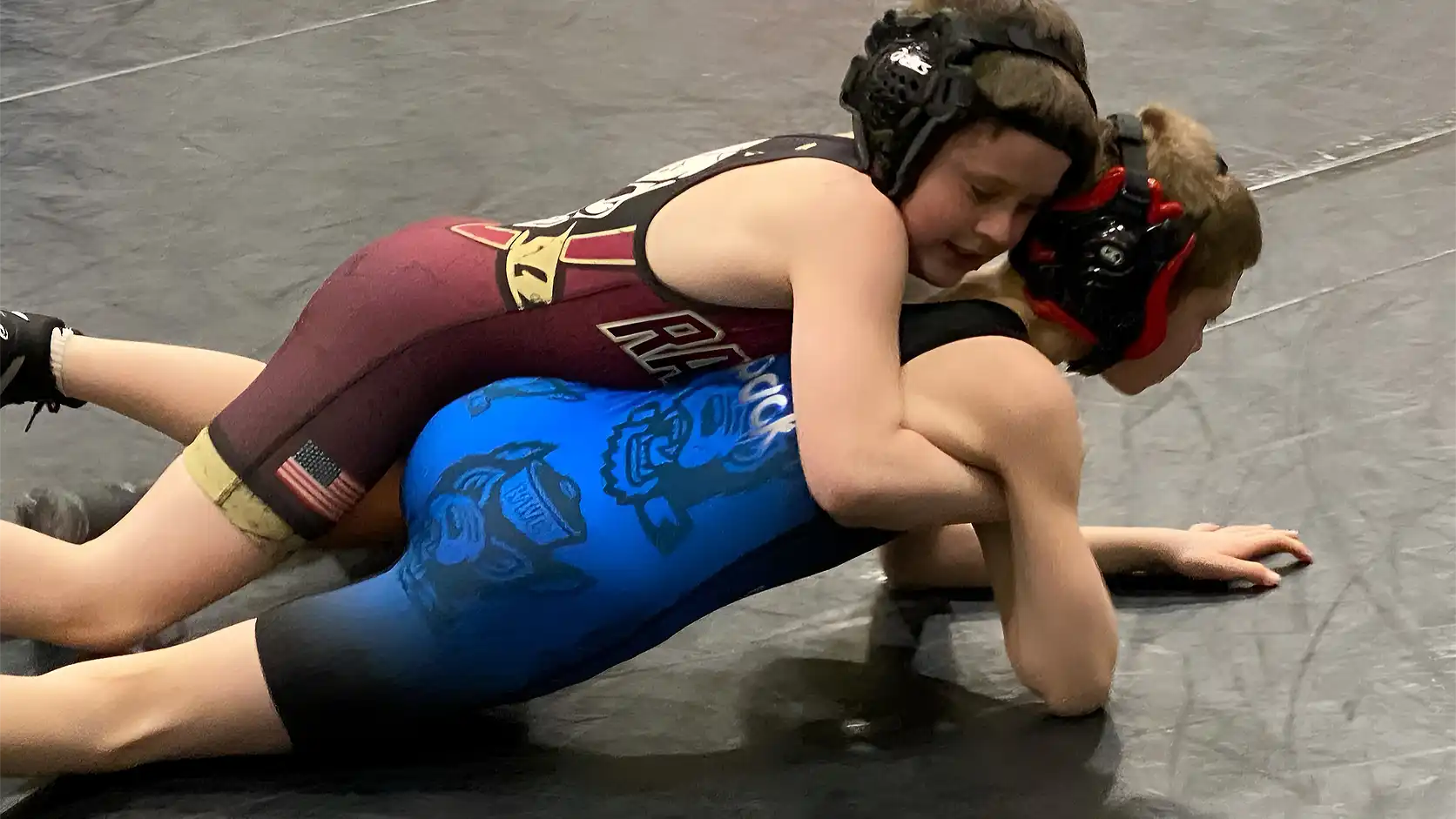
Teams choose custom wrestling uniforms because they match the team’s colors and logo, fit consistently across the roster, and look unified at tournaments. Sublimated designs also hold their color and detail through a full season of washing and mat contact.
A custom order lets you control the details that stock gear can’t:
- Colors and design. Match your school or club colors and add a graphic that’s actually yours.
- Names and numbers. Add athlete names, a team name, or sponsor logos where your rules allow.
- Fit and cut. Order sizes by measurements, with options for different body types.
- Consistency. Everyone on the roster shows up in the same gear.
- Durability. Full-dye sublimation is built into the fabric, so it doesn’t crack or peel like a surface print.
EVO9X designs and produces custom sports uniforms in the USA, including custom wrestling uniforms for school programs, clubs, and youth teams.
What Should You Pack in a Wrestling Gear Bag for a Tournament?
Pack your singlet (plus a spare if you can), shoes, headgear, a mouthguard if required, warm-ups, a towel, extra socks, water, and snacks. Add a separate bag for dirty gear so it doesn’t contaminate the clean stuff.
Tournament days are long. A checklist helps:
- Singlet (and a backup)
- Wrestling shoes with spare laces
- Headgear and spare ear guard hardware if your model uses it
- Mouthguard in its case
- Warm-up jacket and pants
- Towel and a change of clothes
- Extra socks and underwear
- Hair ties or a hair cover if needed
- Water bottle and snacks
- A small first-aid kit and athletic tape
- A plastic bag for dirty gear
Check your event’s rules for weigh-in and equipment inspection, and bring any required forms.
What Mistakes Do Beginners Make With Wrestling Gear?
The most common mistakes are buying the wrong shoes, picking a singlet that’s too loose or too tight, skipping headgear checks, and not washing gear often enough.
- Wearing regular sneakers. They’re too thick and too grippy in the wrong places, and they don’t support mat footwork.
- Buying for next year’s size. A singlet that’s much too big is a problem in every match.
- Ignoring rule requirements. Showing up with gear that doesn’t meet league rules can mean scrambling at check-in.
- Overbuying. Beginners rarely need every accessory on the shelf.
- Neglecting hygiene. Dirty gear is uncomfortable and can contribute to skin issues.
- Forgetting backups. Spare laces, a second singlet, and extra socks save a bad tournament day.
Frequently Asked Questions
What do you wear under a wrestling singlet?
Many wrestlers wear a fitted compression top, compression shorts, or an athletic supporter, depending on comfort and what the rules allow. Check your league’s requirements.
Can you wrestle in regular shorts and a T-shirt?
For many practices, yes, as long as there are no zippers or hard objects. For competition, you generally need a singlet or an approved uniform.
Do you need wrestling shoes to start?
They’re strongly recommended. Wrestling shoes give you the grip and mat feel that regular sneakers don’t, and most programs expect them.
How often should you replace wrestling shoes?
Replace them when the sole is worn smooth, the upper is stretched out, or they no longer hold your foot securely. How long that takes depends on how often you train.
Is headgear required in freestyle and Greco-Roman?
Requirements vary by event and age group. Folkstyle at the high school level generally requires it. Check the rulebook for freestyle and Greco-Roman events.
Can a wrestling team get custom singlets?
Yes. Many teams order custom singlets with their own colors, logos, names, and numbers. Order early and measure athletes carefully.
What’s the difference between a wrestling singlet and a track singlet?
They look similar, but wrestling singlets are built for durability, stretch, and mat contact, while track singlets are lighter and designed for running.
Ready to Outfit Your Team?
Have an idea for your team’s colors, logo, names, and numbers? EVO9X can turn those ideas into custom wrestling uniforms and team gear, with a free design mockup before production.