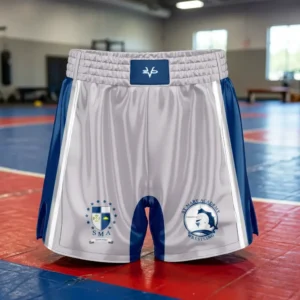
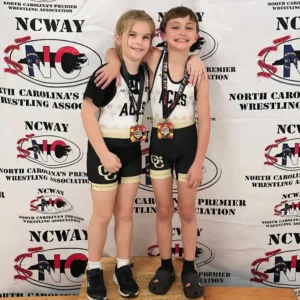
The right wrestling shorts are fitted, stretchy, free of pockets and zippers, and sized so nothing rides up or gives an opponent extra fabric to grab. That is the short answer. This wrestling shorts guide covers the rest: how wrestling shorts differ from singlets and from grappling, BJJ, and MMA shorts, how to size and test a pair, which fabrics and features matter, and how to make them last.
It is written for wrestlers, parents, and coaches, whether you are buying a first pair or outfitting a team. Where rules matter, we point you to the governing bodies, because requirements vary by level and event.
What Are Wrestling Shorts?
Wrestling shorts are fitted athletic shorts built for the contact and movement of wrestling: shooting, sprawling, hand-fighting, and scrambling. They usually use stretch fabric, a short cut that stays out of the way of the knees, and a secure waistband. They leave off pockets, zippers, and hard fasteners that could catch a finger or scratch a training partner.
Wrestlers wear them mostly for practice, conditioning, and some no-gi or club settings. Many scholastic and folkstyle competitions require a singlet or an approved fitted uniform, so shorts are not always allowed on competition day. Check your state association’s rules or the NFHS and USA Wrestling rule resources before you buy for meets.
Wrestling Shorts vs. Singlets
A singlet is the one-piece uniform most people picture in a wrestling match. If you want the full breakdown of singlet types and terminology, read our guide on what a wrestling outfit is called.
For buying purposes, the difference is practical. A singlet is the standard competition uniform in many leagues. Shorts give you more flexibility in training, are easier to take on and off, and pair well with a compression top. Many wrestlers own both: shorts for practice and a singlet for meets.
Wrestling Shorts vs. Grappling, BJJ, and MMA Shorts
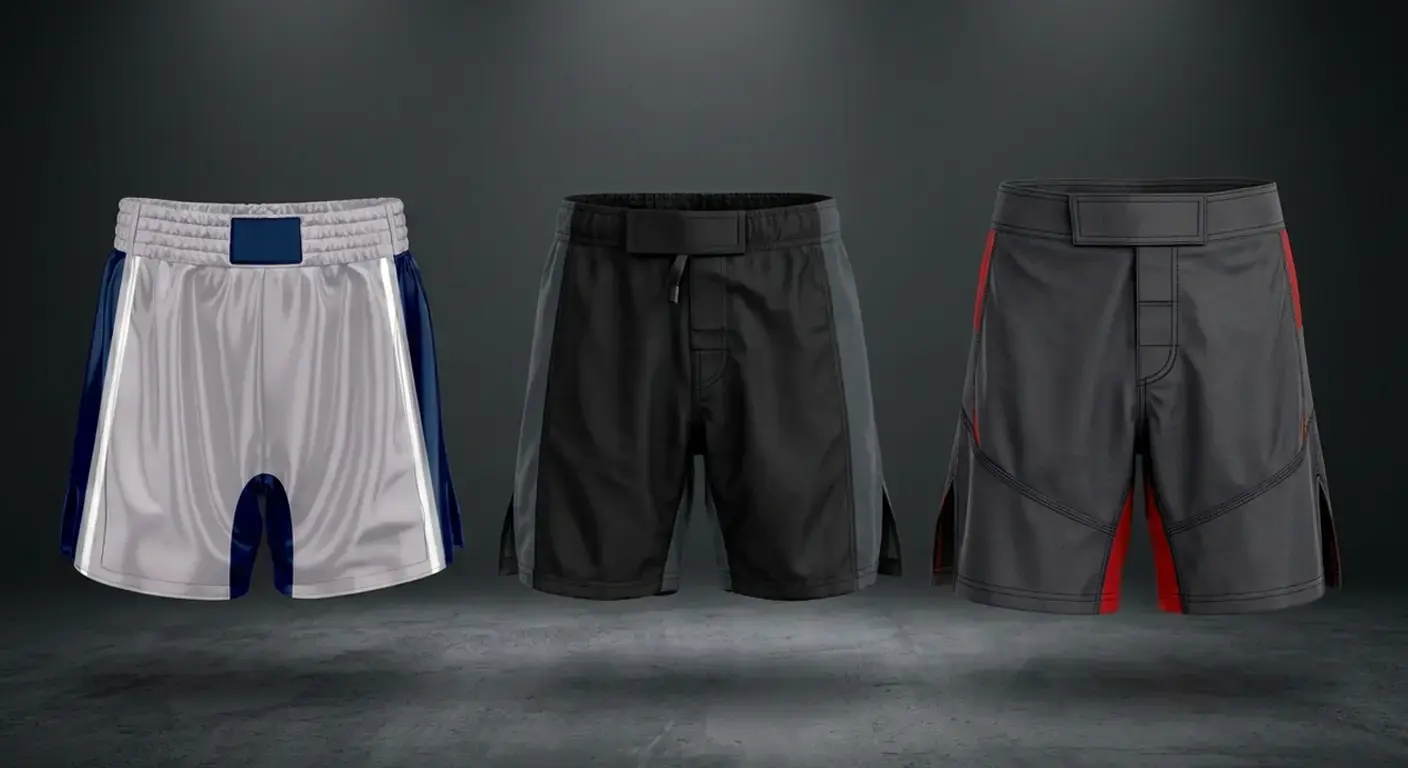
These categories overlap, and brands do not always label them the same way. Judge a pair by its features, not just its name.
| Type | Typical Cut | Common Features | Best For |
| Wrestling shorts | Short and fitted | Stretch fabric, no pockets or zippers, secure waistband | Wrestling practice and conditioning |
| Grappling / no-gi BJJ shorts | Above the knee, often with side splits | Stretch fabric, no pockets or zippers | No-gi BJJ and submission grappling |
| MMA / fight shorts | Mid-thigh, often looser, sometimes with side splits | Wide leg opening, elastic or drawstring waist | Training that mixes striking and grappling |
| Compression shorts | Skin-tight | Snug, stretchy fit | Worn under shorts or alone |
Wrestling vs. grappling and BJJ shorts
Grappling shorts are the closest relative. Both are streamlined and pocketless. Wrestlers tend to prefer a snugger, shorter fit, while no-gi BJJ shorts often add side splits for leg movement on the mat. If you wrestle and also train no-gi jiu-jitsu, one fitted pair of grappling shorts can often cover both.
Wrestling vs. MMA shorts
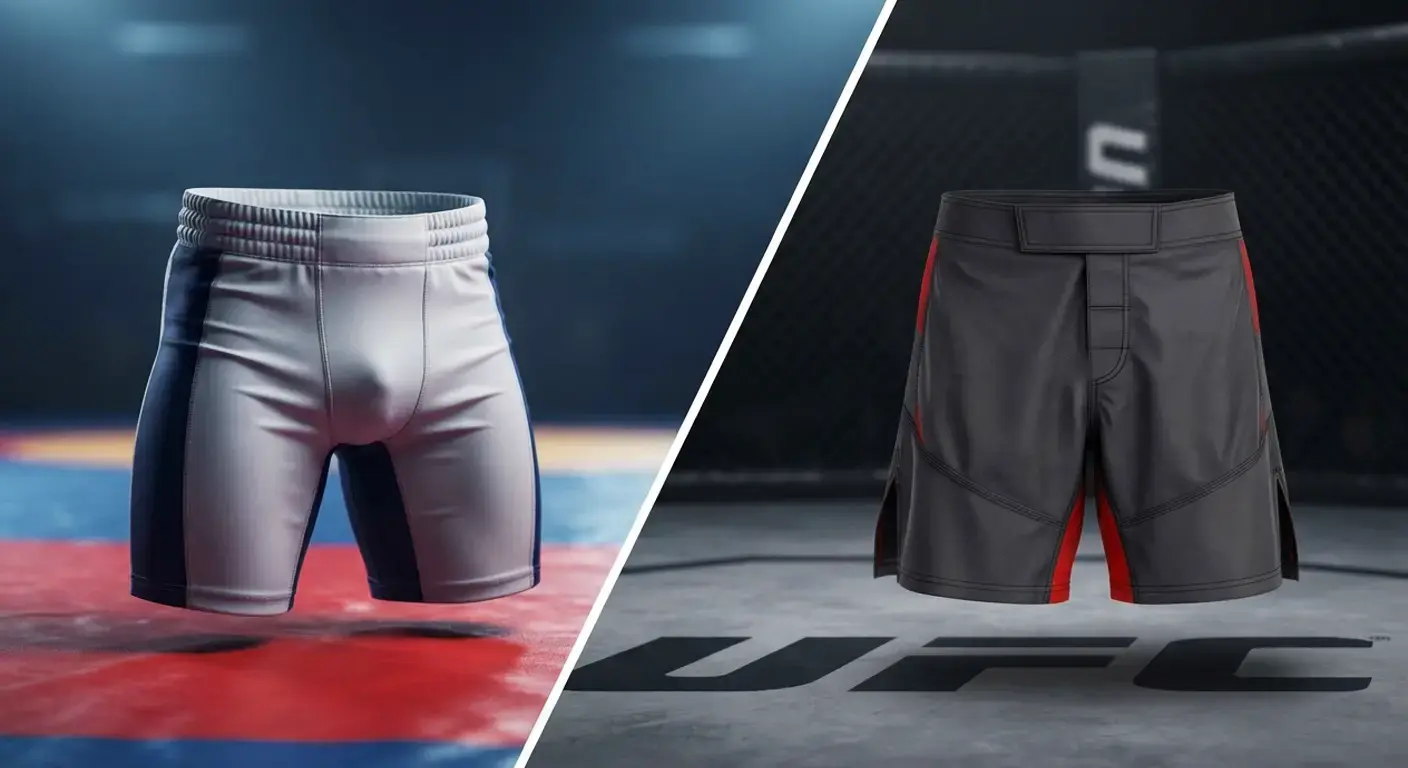
MMA shorts usually have a looser leg and more coverage, which helps with kicking and clinch work. That extra fabric is a drawback in wrestling, because it gives opponents more to grab and can catch during a shot. Wrestlers who also strike may keep a separate pair for MMA days.
No-gi events set their own uniform rules, such as the IBJJF rulebook for no-gi BJJ. Always check the event’s rules before you compete.
How Should Wrestling Shorts Fit?
Wrestling shorts should fit close without restricting movement. Here is what to check:
- Waistband: Snug enough to stay in place without constant tugging, and flat enough that it does not roll or dig in.
- Length: Short enough to stay well above the knee, so extra fabric does not limit your range of motion or give opponents a handhold.
- Thighs and leg openings: Room for a deep stance and a squat, without a flared opening that flaps loose.
- Seat: The shorts should not ride up or bunch when you drop your level.
Do a quick fit test before you commit. Get into your stance and drop a level, lunge as if you are shooting, sprawl, bridge, and squat deeply. If the waistband rolls, the legs bind, or you keep pulling the shorts back into place, try a different size or cut.
Ready for Your Next Match?
Explore custom wrestling gear by EVO9X, designed to represent your team and match your style.
How to Choose the Right Size
Do not assume your usual size works across brands, because sizing varies. Measure yourself and compare the numbers to the brand’s size chart.
| Measurement | How to Measure | Why It Matters |
| Waist | Around your natural waist, relaxed | Main driver of waistband fit |
| Hips | Around the fullest part | Prevents a tight or riding-up seat |
| Thigh | Around the widest part of one thigh | Affects leg-opening comfort |
| Inseam | Crotch to where you want the hem | Controls length and coverage |
If you fall between sizes, consider the fabric’s stretch and how you will wear them. Fitted wrestling styles generally work with a snug size, while shorts you plan to layer over compression gear may need a little more room.
Weight changes matter too. Wrestlers who cut weight and growing youth athletes should size for where they are now, not far ahead. An oversized waistband is more of a nuisance than a benefit in a scramble.
For team orders, let athletes try sample sizes before you place a full order, and keep a written size list. Mix-ups are easier to prevent than to fix after production.
Best Fabric for Wrestling Shorts
Check the fabric label before you buy. Most training shorts use synthetic fibers because they handle sweat better than cotton.
| Fabric | Strengths | Trade-Offs |
| Polyester | Durable, wicks moisture, holds sublimated color | Can feel less soft than other blends |
| Nylon | Lightweight, strong, smooth | Feel and stretch vary by construction |
| Spandex / elastane | Stretch and shape recovery | Usually blended in small amounts, can feel clingy alone |
| Cotton | Soft for casual wear | Absorbs sweat and gets heavy |
Look for four-way stretch, which lets the fabric move with you in every direction, and moisture-wicking properties, which help move sweat away from the skin. Sublimation printing works on polyester, so many custom team shorts are polyester blends. Because the dye becomes part of the fabric, a sublimated design does not add a raised print layer.
Be cautious with performance claims. Terms like “anti-microbial” or “breathable” are only meaningful if the brand explains what they mean for that fabric.
Construction Features That Matter
Fabric is only half of it. A few construction details decide whether shorts hold up and stay comfortable:
Waistband
A flat elastic waistband with an internal drawcord stays in place and avoids knots or loose ties that can catch. Check that it does not dig in when you bend.
Stitching
Reinforced or flatlock seams hold up better when pulled and are less likely to chafe. Look at the inner seams, not just the outside.
Side splits
Some shorts have small side vents that give the hips more freedom. Make sure they are reinforced so they do not tear.
No pockets or hard fasteners
Pockets, zippers, buttons, and metal parts can catch fingers and injure partners. Many practice rooms and events do not allow them.
Lining and crotch panel
Some designs include a built-in liner or a gusseted crotch panel for mobility. Confirm what is included before you decide whether you need separate compression shorts.
Do You Need Compression Shorts Underneath?
Not always. With looser MMA-style or board-style shorts, many athletes wear compression shorts underneath for coverage, support, and less chafing. With fitted wrestling shorts that have a built-in liner, you may not need them.
If you do wear compression shorts, they should be snug without digging into your waist or legs. Shorts that are too loose slide and bunch. Pair them with a compression top for a streamlined look, such as these wrestling compression shirts. Wash base layers after every session, since they sit directly against the skin.
Wrestling Shorts for Beginners vs. Competitive Athletes
Beginners should prioritize comfort, simple fit, and forgiving stretch over specialized features. One or two solid pairs are enough to start. Ask your coach what the room allows, since some programs have rules about gear.
Competitive athletes should check event rules first, then think about durability. Seams, fabric weight, and a consistent fit matter more when you train several days a week. Owning two or three pairs lets you rotate and keep each pair fresher.
Women and girls may find that unisex sizing does not fit hips and waist proportions evenly. Some brands offer women’s cuts. If you use a unisex pair, rely on your measurements, not just the size label.
How Do You Wash and Maintain Wrestling Shorts?
Good care keeps stretch, color, and fit. Follow the care label on your pair, and in general:
- Wash after every session. Damp gear left in a bag holds odor and bacteria.
- Use cold water and mild detergent. Hot water can break down elastic over time.
- Skip fabric softener. It can coat the fibers and reduce moisture-wicking.
- Avoid bleach. It can damage fabric and fade printed colors.
- Air dry or use low heat. High dryer heat shortens the life of stretch fabrics.
If you notice a rash or skin problem after training, tell your coach and talk with a healthcare provider.
What to Avoid When Buying Wrestling Shorts
- Pockets, zippers, and metal fasteners.
- Long, baggy cuts that give opponents something to grab.
- Thick padding that adds bulk and limits movement.
- Thin fabric that turns see-through when stretched. Check opacity before you buy.
- Scratchy or bulky seams that can irritate during long sessions.
- Choosing by product name alone. Always read the features and check the rules for your event.
Ready for Your Next Match?
Explore custom wrestling gear by EVO9X, designed to represent your team and match your style.
Custom Wrestling Shorts for Teams
Teams and clubs often want matching shorts so everyone looks unified in the room and at events. Sublimation allows full-color designs, so team colors, logos, names, and numbers can be built into the fabric.
EVO9X, based in Edison, New Jersey, makes custom wrestling uniforms that include sublimated wrestling shorts. According to its website, it offers customization with team colors, mascots, names, and numbers, lists its products as made in the USA, and advertises no minimums or set-up fees.
Whichever supplier you choose, ask about fabric, the size chart, mockup approval, and whether the product fits your event’s uniform rules before you order.
Frequently Asked Questions
What are wrestling shorts?
Wrestling shorts are fitted athletic shorts designed for wrestling movement. They typically use stretch fabric, a short cut, and a secure waistband, and they avoid pockets and zippers that could catch on partners.
Can you wear wrestling shorts instead of a singlet in competition?
It depends on the event and level. Many folkstyle events require a singlet or an approved fitted uniform. Check your state association, league, or USA Wrestling rules before competing.
What is the difference between wrestling shorts and MMA shorts?
Wrestling shorts are shorter and more fitted. MMA shorts are usually looser with a wider leg opening, which helps with kicking but gives opponents more fabric to grab in wrestling.
Are BJJ shorts and grappling shorts the same?
They are often interchangeable. Both are streamlined and pocketless, and many have side splits. No-gi BJJ events have their own rules, so check the rulebook for your event.
How tight should wrestling shorts be?
Fitted but not restrictive. The waistband should stay put without digging in, the legs should not bind in a stance or squat, and the shorts should not ride up.
What material is best for wrestling shorts?
Polyester-spandex blends are common because they stretch, wick moisture, and hold up to washing. Check the label for four-way stretch and moisture-wicking properties.
Conclusion
The best choice in any wrestling shorts guide comes down to fit, fabric, and rules. Choose a fitted, pocketless pair with reinforced seams and stretch fabric, measure yourself instead of guessing, test the fit in a real stance, and wash them after every session.
If you are outfitting a team or club, explore EVO9X’s custom wrestling uniforms. Share your team colors, logo, and sizes to start planning your design. EVO9X lists free design mockups for all custom Sports uniforms.