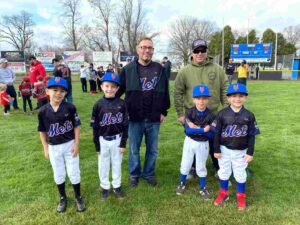
For many baseball players, the end of the spring or summer season does not mean putting the glove away for the year. As school begins and the weather starts to cool, players across the United States return to the field for another opportunity to practice, compete, and develop their skills.
This is commonly known as fall ball baseball or fall baseball.
Fall ball can look very different from one organization to another. A local youth league may offer one practice and one game each week, while a travel organization may schedule weekend tournaments and position-specific training. Some programs emphasize learning and experimentation, while others maintain a highly competitive environment.
That flexibility is one of the reasons fall baseball can be valuable. Players can get additional repetitions, try positions they did not play during the primary season, work on specific skills, and prepare for the next competitive season without necessarily carrying the same expectations as spring or summer baseball.
However, fall ball is not automatically the right choice for every player. Families also need to consider the player’s age, goals, physical workload, school schedule, other sports, travel requirements, and the philosophy of the program.
This guide explains what fall ball is, how the fall baseball season works, what players can gain from it, how youth and travel programs differ, what equipment teams need, how to choose a fall ball team, and how to make the most of the season.
What Is Fall Ball Baseball?
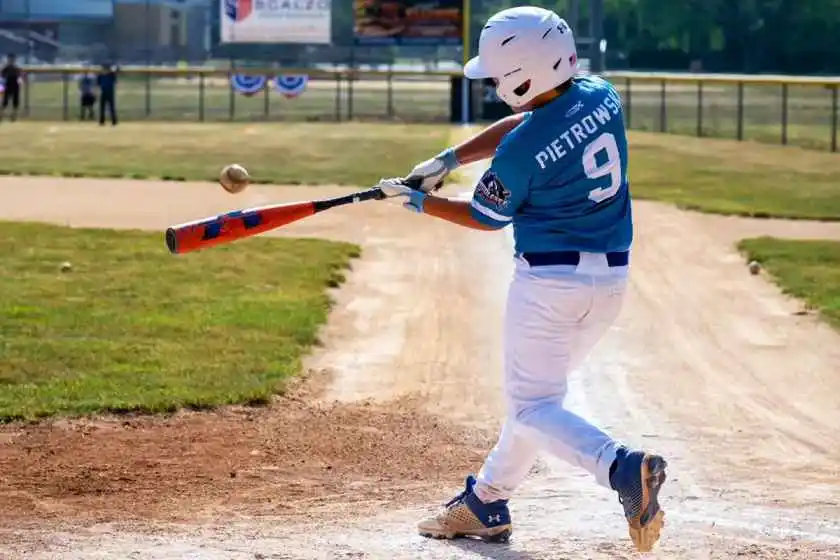
Fall ball baseball is an organized baseball program played during the fall, usually after a player’s primary spring or summer season. It can include practices, games, scrimmages, clinics, tournaments, or skills-development sessions depending on the organization.
There is no single nationwide format for fall ball. Different leagues and baseball organizations structure their programs according to their location, age groups, available fields, weather, school calendars, and competitive goals.
For example, Little League describes Fall Ball and its Second Season programs as opportunities for players to continue playing after the regular season while gaining additional experience and developing their skills. Fall programs commonly operate during September and October, although exact dates vary by league.
That means the phrase “fall ball” does not automatically tell you how competitive or demanding a program will be.One team may play primarily local recreational games. Another may travel several hours for weekend tournaments. A third may focus mostly on practices and player development.
The first thing parents should therefore understand is the purpose of the specific program, rather than assuming all fall baseball is the same.
What Is Fall Ball Really For?
The biggest purpose of many fall ball programs is development.
During a regular spring or summer season, coaches often have established lineups, defensive positions, pitching rotations, and competitive objectives. When every game affects standings or postseason opportunities, there may be less freedom to experiment.
Fall baseball can provide a different environment.
A coach may give an infielder opportunities at multiple positions, allow a developing pitcher to work on command, give a hitter more at-bats, or test different defensive combinations. Little League specifically recommends using fall ball for additional repetitions, trying different positions, and experimenting with strategies and tactics while placing greater emphasis on teaching and development.
That does not mean fall games are meaningless. Players should still learn how to compete, make decisions under pressure, and play as a team. The difference is that the development process can be given more room alongside competition.
What Fall Ball Is Not
Fall ball is not necessarily an easier version of baseball.
Some programs are relaxed and recreational, but others are highly competitive. Travel organizations may use the fall to evaluate players, prepare rosters, introduce new systems, and compete against strong teams.
It is also not automatically a season where every player receives equal playing time. Playing-time policies depend on the organization.
Finally, fall ball should not be treated as an obligation to play baseball year-round. A player who is physically exhausted or needs a break may benefit more from recovery or another activity than from adding another competitive schedule.
The right question is not simply, “Should my child play fall ball?” It is: “What does this particular fall program offer, and does it match my child’s needs right now?”
Fall Ball vs. Spring Baseball: What’s the Difference?
The basic game does not change between fall and spring, but the purpose and structure of the season often do.
Spring baseball is commonly the primary competitive season for youth leagues and school programs. Teams may have formal standings, playoffs, tournaments, and established player roles.
Fall ball frequently provides more flexibility. Coaches have another opportunity to develop players before the next major season, while families can use the experience to determine what skills need more attention.
These differences are not universal. A competitive travel fall program may look much more like a spring tournament season than a recreational fall league.
|
Factor |
Fall Ball |
Spring/Summer Baseball |
| Primary purpose | Often development and preparation | Regular-season competition |
| Player roles | More opportunity to experiment | Often more established |
| Position rotation | May be more common | Depends on team |
| Competition | Varies widely | Usually follows league structure |
| Schedule | Often shorter or more flexible | Usually more structured |
| Standings | May be less important | Often more important |
| Skill development | Strong emphasis in many programs | Combined with competition |
| Travel | Local to extensive | Depends on organization |
Why Coaches Often Have More Freedom in Fall
Imagine a player who spent the spring exclusively at first base but wants to learn third base.
During an important regular-season game, a coach may not want to move that player into an unfamiliar position. In fall ball, there may be more opportunities to make that change in a controlled environment.
The same principle applies to hitting and pitching. A coach might encourage a hitter to work on using the opposite field or help a pitcher develop better command of a secondary pitch. The player may struggle while learning, but those struggles can become useful information before the next major season.
This is why fall baseball can function as a bridge between seasons rather than simply an extension of the previous one.
What Parents Usually Notice First
Parents often notice practical differences before they notice the developmental benefits.
The schedule may be shorter. Games may be on different days. The team may include new players. Coaches may rotate positions more frequently. Some programs may combine players from different spring teams.
There can also be a significant difference in family commitment. A local fall league might require only a few hours each week. A travel fall baseball program could involve weekend tournaments, long drives, hotels, and additional training.
Before registering, parents should understand exactly what they are committing to.
Which Season Is Better?
Neither season is automatically better.
Spring or summer may be more important for a player who wants structured competition and established team goals. Fall may be more beneficial for a player who needs additional repetitions, wants to try another position, or is preparing for the next competitive season.
For some players, the best fall season may even be a lighter one. The goal should be to choose the environment that provides the right amount of baseball at the right time.
Why Play Fall Baseball?
The value of fall baseball comes from what a player can do with the additional weeks of organized practice and competition. Simply adding games to the calendar does not guarantee improvement. The season becomes valuable when players use those opportunities deliberately.
More Meaningful Repetitions
Baseball is a skill-based sport. Throwing, catching, hitting, pitching, fielding, and baserunning all improve through repeated practice.
But repetitions are most useful when they are purposeful. A young infielder who struggles with footwork may need dozens of controlled ground-ball repetitions before the movement becomes natural. A hitter may need repeated live at-bats to become better at recognizing pitches. An outfielder may need repeated practice reading the ball off the bat.
Fall baseball provides another setting for those repetitions. The important distinction is quality versus quantity. More baseball is helpful only when players are getting useful instruction, adequate recovery, and meaningful opportunities to apply what they are learning.
Opportunity to Learn a New Position
Fall can be an excellent time for position development. A player who normally plays shortstop may get opportunities at second base. An outfielder may try the infield. A younger player may learn what it means to catch or pitch.
Learning another position can improve a player’s understanding of the entire game. For example, an infielder who spends time playing outfield may develop a better appreciation for how quickly an outfielder must read a ball in the air. However, position rotation should still be structured. Constantly moving players without giving them enough repetitions can create confusion rather than development.
More At-Bats for Developing Hitters
Fall baseball can give hitters a chance to work on parts of their offensive game that may have received less attention during the regular season.
That could include plate discipline, pitch recognition, two-strike hitting, timing, situational hitting, or simply becoming more comfortable against live pitching. A player does not need to change everything at once. A coach may ask a hitter to focus specifically on recognizing pitches before swinging, then evaluate that goal over several games rather than judging the player solely on batting average.
Pitching Development Without Chasing Velocity
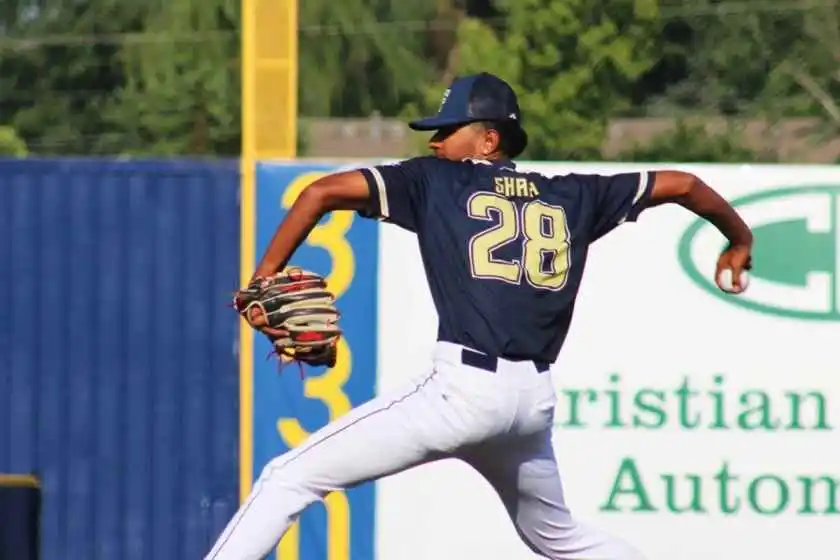
Pitchers can benefit from fall baseball when the emphasis is on mechanics, command, pitch selection, and consistency.
A developing pitcher may use the fall to improve fastball command or become more comfortable throwing an off-speed pitch. However, fall baseball should not be viewed as an excuse to increase pitching workload without considering the player’s previous season.
Age, recent throwing history, position, number of games, and recovery all matter. A healthy pitcher with repeatable mechanics and better command is making meaningful progress even if the radar-gun number has not changed.
Building Confidence Through Experience
Confidence in baseball rarely comes from simply being told to “be confident.” It usually develops when players repeatedly practice a skill, understand what they are doing, and experience improvement.
Fall ball can provide those opportunities. A player who struggled to field ground balls during spring may begin making routine plays consistently after several additional weeks of focused practice. A hitter who was uncomfortable against live pitching may become more selective at the plate.
Those small improvements can make the next spring season feel very different.
A Better Environment for Experimentation
One of the most useful aspects of fall baseball is the opportunity to experiment.
Coaches can test different lineups, positions, defensive combinations, and game strategies. Players can learn what works and what does not. That experimentation should still have a purpose. Changing positions simply for the sake of change does not create development. A strong fall program should be able to explain what the player is trying to learn and why the change is being made.
What to Expect From Youth Fall Baseball by Age
Ages 4–6: Introduction to the Game
For younger children, fall baseball should be centered on learning basic movement and enjoying the sport.
At this age, coaches are often teaching children how to hold and use a glove, track a ball, make a basic throw, swing safely, run the bases, and understand simple game situations.
Parents should not expect advanced tactical baseball from a child who is still learning where to stand on the field. The most valuable outcome is a child who leaves practice wanting to come back.
Ages 7–9: Building Fundamental Skills
Players in this age group can begin developing more consistent baseball mechanics.
Fall practices may focus on throwing accuracy, ground-ball technique, fly balls, hitting mechanics, baserunning, and basic pitching. This is also a good stage for players to experience multiple positions.
Parents should look for a coach who explains why a skill matters rather than simply telling players what to do.
Ages 10–12: Developing Position Skills and Baseball IQ
Players around this age often begin developing stronger positional preferences and more advanced game awareness.
Fall baseball can help them understand defensive responsibilities, cutoffs, relays, situational hitting, baserunning decisions, and pitching strategy. Some players begin moving toward more competitive travel baseball at this age, but a well-run local fall program can still provide excellent development.
Ages 13–18: Advanced and Competitive Development
Older players may participate in travel fall baseball, high school-related programs, competitive leagues, showcases, and specialized training.
The objectives can become more specific, including position-specific defense, pitching development, advanced hitting, strength and conditioning, game awareness, and preparation for school baseball.
At this stage, the quality and purpose of the program matter more than simply adding another season.
Recreational Fall Ball vs. Travel Fall Baseball
Not all fall ball teams are designed for the same level of competition. Understanding the difference between recreational and travel fall baseball can prevent families from choosing a program that does not fit their expectations.
| Factor | Recreational Fall Ball | Travel Fall Baseball |
| Competition | Usually local | Often higher-level |
| Travel | Limited | May involve significant travel |
| Cost | Generally lower | Generally higher |
| Schedule | Often more flexible | Often more demanding |
| Development | Broad skill development | More specialized |
| Tournaments | Less common | Common in many programs |
| Player selection | Often broad participation | Usually more selective |
| Travel | Local to extensive | Depends on organization |
Who Is Recreational Fall Ball Best For?
Recreational fall baseball can be a strong choice for players who want additional baseball without committing to an intensive travel schedule.
It can also be appropriate for younger players who are still learning the game or families who want baseball to remain one part of a broader fall schedule.
Who May Benefit From Travel Fall Baseball?
Traveling fall baseball may make sense for players who actively want stronger competition, additional training, and a more demanding baseball environment. Older players preparing for competitive spring or summer baseball may particularly benefit if the program has experienced coaches and a clear development plan.
Is Travel Fall Baseball Automatically Better?
No. A more expensive program with more tournaments is not automatically a better development environment.
A player who spends every weekend traveling but receives limited instruction may gain less than a player who attends a well-run local program with purposeful practices and meaningful game repetitions.
The correct comparison is development value, coaching quality, competition, workload, cost, and fit.
How Long Is a Fall Ball Season?
There is no universal fall ball calendar across the United States.
Many youth programs operate during September and October, but the actual schedule can change based on geography, weather, school calendars, field availability, age group, and organization.
Before registering, parents should find out when practices begin, when games start, how many weeks the program lasts, and whether tournaments extend the season.
The important point is that “fall season” does not mean the same number of weeks everywhere.
How Much Does Fall Ball Cost?
Fall baseball does not have one standard national price.
A local recreational league may charge a relatively modest registration fee, while travel baseball can involve considerably higher costs. Families may also need to budget for uniforms, equipment, tournament fees, travel, hotels, meals, training, and other team expenses.
Understanding the total cost of participation is more useful than comparing registration fees alone.
What Equipment Does a Player Need for Fall Ball?
The exact equipment requirements depend on the player’s age, position, and league rules.
Most players will need a glove, an approved bat, batting helmet, cleats, baseball clothing, and water. Parents should check the team’s equipment rules before purchasing anything expensive.
A bat or helmet that is acceptable for one organization may not meet another organization’s requirements.
| Equipment | Why It Matters |
| Glove | Allows the player to field and receive the ball |
| Bat | Must meet the organization’s requirements |
| Batting helmet | Protects the hitter while running the bases |
| Cleats | Provide traction on the field |
| Batting gloves | Optional, mainly for grip and comfort |
| Catcher’s gear | Required when playing catcher |
| Protective equipment | Requirements vary by age and organization |
Does a Fall Ball Team Need a New Uniform?
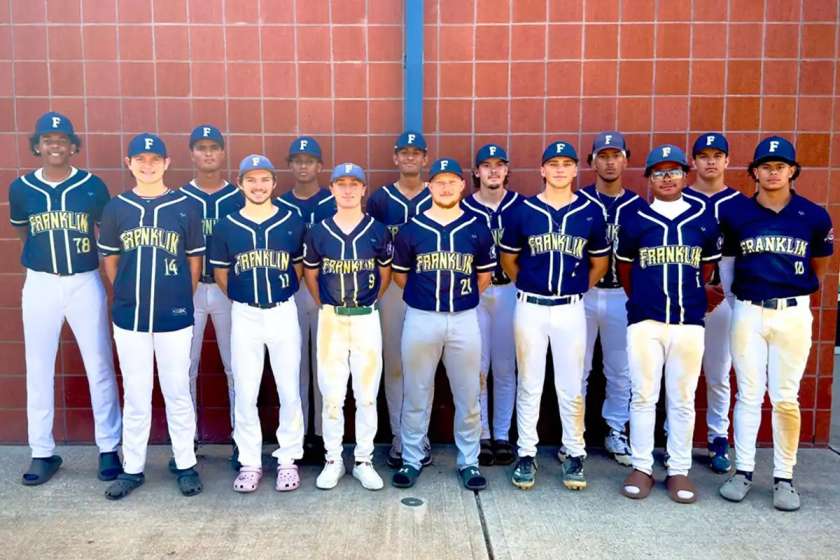
No. Many teams reuse their spring or summer uniforms for fall baseball.
However, a dedicated fall uniform can make sense when the fall program has a different roster, identity, organization, or color scheme. It may also be practical when players have outgrown their previous uniforms.
For organizations ordering custom uniforms, the most important thing is to finalize the roster and player information before production.
It may also be practical when players have outgrown their previous uniforms.
Even when reusing older sets, it’s worth double-checking that gloves, cleats, and baseball uniforms still fit correctly, since growth spurts between the spring and fall seasons are common at younger ages.
Ready to Get Started?
Not sure if your current set still works? Get a free uniform consultation and we’ll help you decide — reuse, refresh, or go custom.
What Should a Fall Baseball Uniform Include?
A complete uniform may include a jersey, baseball pants, cap, socks, belt, player number, team logo, and player name where desired.
For youth teams, sizing deserves particular attention. Players can grow considerably between the spring and fall seasons, so teams should collect current measurements rather than automatically reusing old sizes.
Players can grow considerably between the spring and fall seasons, so teams should collect current measurements rather than automatically reusing old sizes.
Teams that want a fully matched look – same fabric, same fit, and the same finish across jersey, pants, and cap – often turn to a single supplier such as Evo9x Custom Sublimated Sports Uniforms rather than piecing a set together from multiple vendors.
How to Organize a Team Uniform Order
A smooth team order starts with accurate information. Confirm the roster and jersey numbers, collect sizes, finalize the logo, colors, and design, then carefully check the final proof for spelling, numbers, logos, and quantities.
For teams looking for a fully customized option, Evo9x custom baseball uniforms can be used to create team-specific jerseys and uniforms with custom designs, player names, and numbers.
How to Choose the Right Fall Ball Team
Choosing a fall program should start with the player’s needs rather than the team’s name. A team with a strong reputation may still be a poor fit if the schedule is too demanding, the coaching philosophy doesn’t match the player, or the competition is inappropriate.
Evaluate the Coach
The coach can have a greater effect on the player’s fall experience than the team’s record.
Ask how the coach handles mistakes, whether players receive individual instruction, how positions are assigned, and whether the program prioritizes development.
A strong developmental coach should be able to explain what the team is trying to improve during the fall.
Understand Playing Time
Parents should never assume that fall ball automatically means equal playing time. Some recreational programs emphasize participation, while competitive travel programs may use performance-based playing time.
Ask directly before registering: “How is playing time handled during the fall season?” The answer should match your expectations.
Ask About Position Development
If your child wants to learn a new position, ask whether the coach allows players to rotate.
Good position development involves enough repetition to learn responsibilities without constantly moving players before they have a chance to understand the position.
Review the Schedule
Fall can be complicated because school and other sports are often happening simultaneously.
Find out how many practices occur each week, how many games are scheduled, whether tournaments are required, how far the team travels, whether weekend commitments are common, and what happens when games are rained out.
Understand the Total Cost
Ask about every major expense before committing. Registration may not include uniforms, tournament fees, travel, hotels, private training, or additional equipment.
A clear cost breakdown makes it easier to compare programs fairly.
Ask How the Program Handles Struggling Players
Every young player will struggle at some point. Ask how coaches respond when a player has trouble hitting, fielding, pitching, or adjusting to a new position.
A development-focused coach should be able to explain how they teach through those struggles rather than simply treating mistakes as failures.
How Players Can Get More From Fall Ball
Set Two or Three Development Goals
Trying to improve everything simultaneously usually creates confusion. A player might choose to improve plate discipline, become more consistent at third base, improve throwing accuracy, develop better pitching command, or improve baserunning decisions.
The goal should be specific enough that the player can recognize progress.
Use Games as Feedback
A game should provide information. After an at-bat, a player can ask whether the pitch was recognized correctly and whether the approach was followed. After a defensive play, the player can consider whether the first step and positioning were correct.
This mindset turns mistakes into information.
Don’t Judge Development Only by Statistics
Statistics matter, but they do not always show development immediately.
A hitter can go 0-for-3 while making disciplined swing decisions. A pitcher can allow runs while improving command of a new pitch. An infielder can make an error while learning a new position.
The purpose of development is to build skills that eventually produce better performance.
What Coaches Should Focus on During Fall Ball
A productive fall program should have a clear teaching purpose. Rather than simply scheduling games every weekend, coaches can use the fall to identify weaknesses and address them.
Defensive Development
Coaches can work on footwork, throwing mechanics, communication, positioning, cutoff responsibilities, and game awareness. Players can also experience different defensive roles when appropriate.
Hitting Development
Fall practices can emphasize approach, pitch recognition, timing, contact quality, situational hitting, and two-strike adjustments. The goal should be to improve decision-making rather than simply chase more swings.
Pitching Development
Pitchers can work on mechanics, command, pitch sequencing, and consistency while coaches monitor workload. Fall development should never prioritize throwing harder at the expense of healthy mechanics and recovery.
Position Experimentation
Fall baseball gives coaches a chance to discover whether players can contribute in positions they did not regularly play during the primary season. This can make the team more flexible heading into the next year.
Game Awareness
Players can learn when to take an extra base, where the next throw should go, how to communicate defensive responsibilities, when to back up a teammate, and how the situation changes with the count and number of outs.
Fall Baseball Safety and Player Workload
Adding a fall season means adding more baseball activity after an already busy spring and summer.
Parents and coaches should consider the player’s total baseball activity rather than looking only at the fall schedule. A pitcher who already threw heavily during the summer may need a different fall workload from a player who had limited pitching exposure.
Players should communicate when something hurts. Persistent arm, shoulder, or elbow pain should not simply be dismissed as normal soreness. Recovery, sleep, hydration, nutrition, rest days, and time away from competition are all part of a healthy athletic schedule.
The goal of fall baseball should be to help players enter the next season better prepared—not worn down.
Fall Ball and Multi-Sport Athletes
Fall is also one of the busiest seasons for youth sports. A baseball player may also participate in football, soccer, cross-country, or another school activity.
Families should consider total athletic workload. A child playing soccer several days a week and attending baseball practices may have a very different recovery requirement from a player whose only fall activity is baseball.
Playing multiple sports is not necessarily a problem. The important issue is whether the overall schedule allows enough recovery and whether the player actually enjoys the activities.
Is Fall Ball Worth It?
For many players, yes—but the value depends on what the player needs.
Fall ball can be an excellent choice when a player wants more repetitions, needs additional game experience, wants to learn another position, or wants structured preparation for the next season.
However, more baseball is not always better. A player who is exhausted, overloaded with school and other sports, or simply ready for a break may benefit from stepping away temporarily.
Fall Ball Is Probably a Good Fit If…
The player enjoys baseball, wants additional development, has enough recovery time, and the program’s goals match the player’s current needs.
Consider a Break If…
The player is physically or mentally exhausted, has persistent pain, has too many competing commitments, or no longer enjoys playing.
Travel Fall Baseball May Make Sense If…
The player wants stronger competition, can handle the travel schedule, and the program provides genuine development value.
Recreational Fall Ball May Be Better If…
The player wants more baseball without the financial and time commitment associated with travel competition.
Final Fall Ball Checklist
Before the season begins, players, parents, and coaches should each have a few things organized.
Players
- Required equipment
- Season schedule
- Team information
- Two or three development goals
Parents
- Registration and total costs
- Transportation plan
- Practice and game schedule
- Tournament commitments
- Equipment requirements
- Uniform information
Coaches and Teams
- Final roster
- Player numbers and sizes
- Uniform order
- Communication system
- Practice schedule
- Game schedule
- Development objectives
Final Thoughts
Fall ball baseball is best viewed as an opportunity – not simply another season.
For players, it can provide additional repetitions, new positions, more game experience, and focused skill development. For parents, it can be an opportunity to find a program that matches their child’s goals without assuming that the most competitive or expensive option is automatically the best.
For coaches, fall baseball creates valuable space to teach, experiment, evaluate players, and prepare for the next competitive season.
The best fall ball experience is not necessarily the one with the most games, the longest travel schedule, or the strongest record. It is the program that gives players the right combination of instruction, competition, repetition, recovery, and enjoyment.
For teams beginning a new fall season, a fresh uniform can also be a simple way to establish a new identity. Whether a team reuses its existing uniforms or creates a dedicated fall design, the priority should be making sure every player’s name, number, size, and team details are accurate before production.
For teams looking for a dedicated design, Evo9x Custom Baseball Uniforms can be a natural next step for creating team-specific baseball uniforms for the fall season.
Ready to Get Started?
Start Your Team’s Fall Uniform Design — Free Mockup, No Minimum
Frequently Asked Questions
What is fall ball in baseball?
Fall ball is an organized baseball program played during the fall, generally after the main spring or summer season. Depending on the organization, it may focus on development, competition, practices, games, tournaments, or a combination of these.
What months is fall baseball played?
Many youth fall baseball programs operate during September and October, but schedules vary by location and organization. Weather, school calendars, field availability, and age group can all affect the season dates.
Is fall ball the same as spring baseball?
No. The game is the same, but many fall programs place greater emphasis on development, additional repetitions, position experimentation, and preparation for the next season.
Is fall ball good for youth players?
It can be. The right program can provide additional skill development and game experience. Parents should consider the player’s age, physical workload, interest level, school schedule, and other sports.
Is travel fall baseball worth it?
It can be worthwhile for players seeking higher competition and more structured development, but travel does not automatically mean better. Families should evaluate coaching, competition, workload, cost, travel, and player fit.
How much does fall ball cost?
There is no standard national cost. Fees vary by organization and can include registration, uniforms, tournaments, travel, equipment, and training.
Do fall ball teams need new uniforms?
No. Some teams reuse their regular-season uniforms. Others choose a dedicated fall uniform when they have a separate roster, identity, or design.
What should a player bring to fall baseball?
Players generally need a glove, approved bat, helmet, cleats, appropriate baseball clothing, water, and any position-specific protective equipment required by the organization.
Can a child play fall baseball and another fall sport?
Often, yes, but the schedule needs to be realistic. Parents should consider total training volume, competition, school commitments, and recovery rather than looking at baseball participation alone